Mahak Attendance at the 1,000th Hematopoietic Stem Cell Transplant Ceremony
- 27 September 26
- 36 revirew
- 0 comment
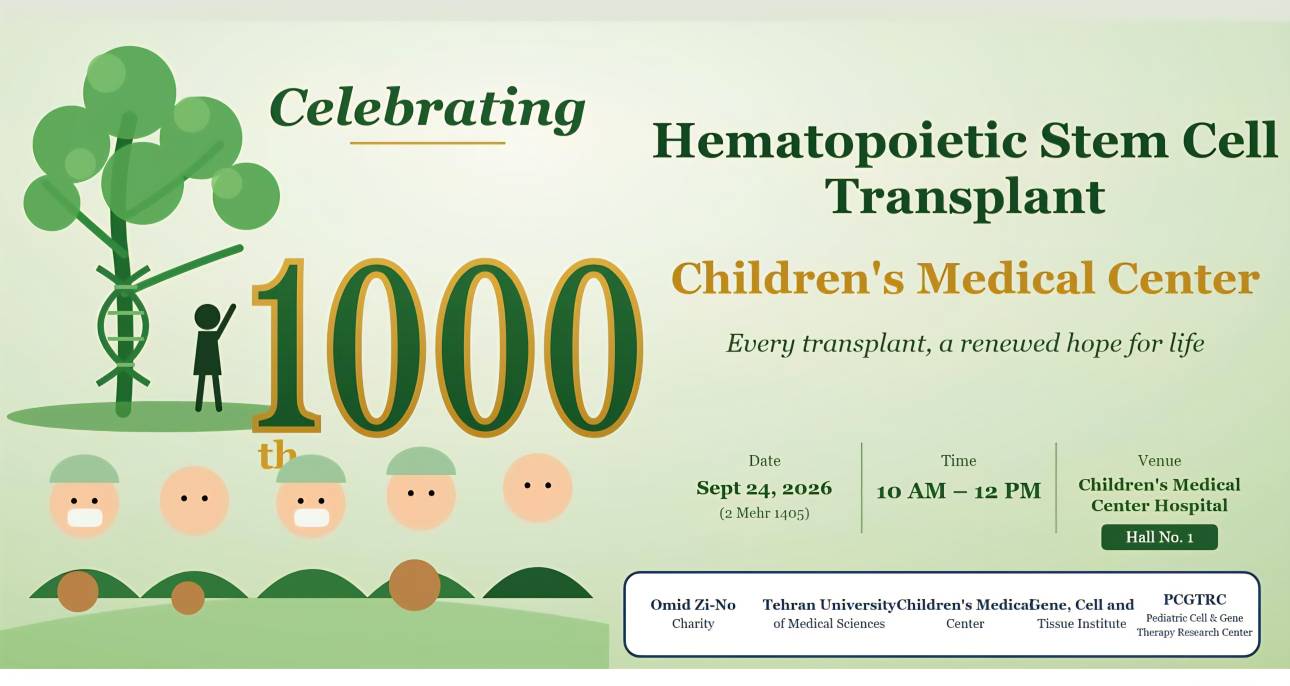
A ceremony marking the 1,000th hematopoietic stem cell transplant at the Children’s Medical Center of Tehran University of Medical Sciences was held with the participation of university officials, professors, physicians, transplant unit staff, stem cell donors, transplant recipients, survivors, and their families.
The milestone represents an important achievement in the development of specialized pediatric hematopoietic stem cell transplantation services in Iran. During the event, the scientific and professional contributions of Dr. Amir-Ali Hamidieh, Head of the Transplant Department at the Children’s Medical Center and one of the leading figures in the development of pediatric hematopoietic stem cell transplantation in Iran, were honored. Officials recognized his role, alongside the specialized transplant team, in establishing and expanding the field and in training specialist professionals. His receipt of a World Health Organization award in the field of cancer was also highlighted among his notable international achievements.
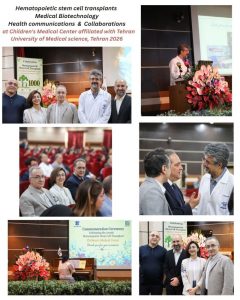
Representatives of MAHAK also attended the ceremony, including Dr. Ahmadian, CEO of MAHAK; Dr. Eslampanah, Director of Public and International Affairs; Dr. Fallahati, Head of MAHAK’s Transplant Clinic; and Dr. Daneshgari, MAHAK’s Deputy for Treatment. As part of its twinning transplant program, MAHAK’s highly specialized pediatric cancer hospital and research center seeks to further develop opportunities for national and international collaboration in stem cell transplantation, cellular therapies, and translational healthcare innovation.
Through its cooperation with specialized transplant centers, MAHAK aims to contribute to the continued development of pediatric stem cell transplantation and emerging cellular therapies, while fostering scientific exchange and meaningful collaboration at both national and international levels.
This milestone not only reflects the progress achieved in pediatric hematopoietic stem cell transplantation in Iran, but also highlights the importance of sustained collaboration between specialized treatment centers, research institutions, and supporting organizations. Building on this achievement, continued investment in scientific exchange, advanced cellular therapies, and multidisciplinary cooperation can help expand access to innovative treatment options and improve outcomes for children with cancer and other complex diseases.